The Rise of Commodities in 2026: Key Trends and Predictions
As we enter 2026, the commodity markets are undergoing a notable transformation, poised to become a central theme in global markets. Following a cyclical bear market from 2022 to 2024, analysts are predicting a new bull market driven by various macroeconomic factors. This article explores the emerging trends, price movements, and macroeconomic factors driving the commodity sector, highlighting opportunities for investors.

Key Trends in Commodities
1. Increased Demand from Emerging Markets
With India's GDP projected to grow between 7.5% and 7.8% in 2026, demand for commodities—particularly metals and energy—is expected to rise significantly. This growth in India contrasts sharply with China’s slowing economy, where growth is projected to be around 4.5%. The divergence in economic performance between these two nations will lead to increased demand for certain commodities while potentially creating oversupply in others, particularly in energy markets.
2. Technological Advancements
The integration of technology in commodity trading is revolutionizing the sector. Innovations such as AI and blockchain are enhancing market efficiency and transparency. For instance, blockchain technology is making transactions more secure and traceable, which could attract a wider range of investors. AI algorithms are increasingly being employed to predict price movements and optimize trading strategies, providing a competitive edge to tech-savvy investors.
3. Geopolitical Tensions
Ongoing geopolitical tensions are likely to create volatility in energy prices, particularly for oil and natural gas. Events such as conflicts in the Middle East or changes in trade policies can disrupt supply chains, leading to sharp fluctuations in commodity prices. Investors should remain vigilant about how these tensions could affect commodity availability and adjust their portfolios accordingly.
4. Sustainability and Green Energy
The global push towards sustainable energy sources is driving demand for commodities essential for green technologies. Metals like lithium and cobalt, critical for battery production, are expected to see increased demand as countries commit to reducing carbon emissions and investing in electric vehicles. Analysts predict that this trend will accelerate throughout the year, creating opportunities for investors focused on sustainable commodities.
Price Movements to Watch
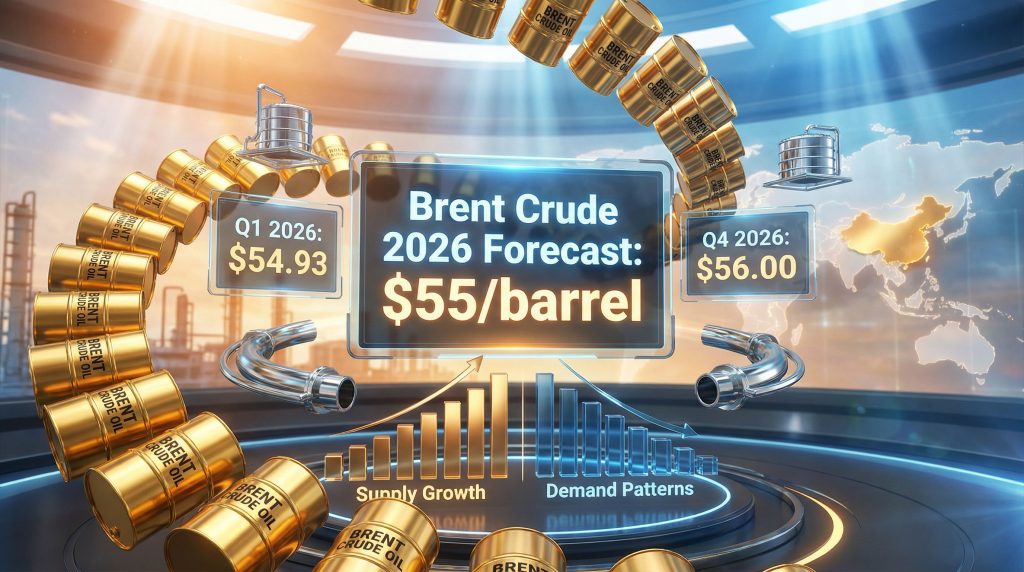
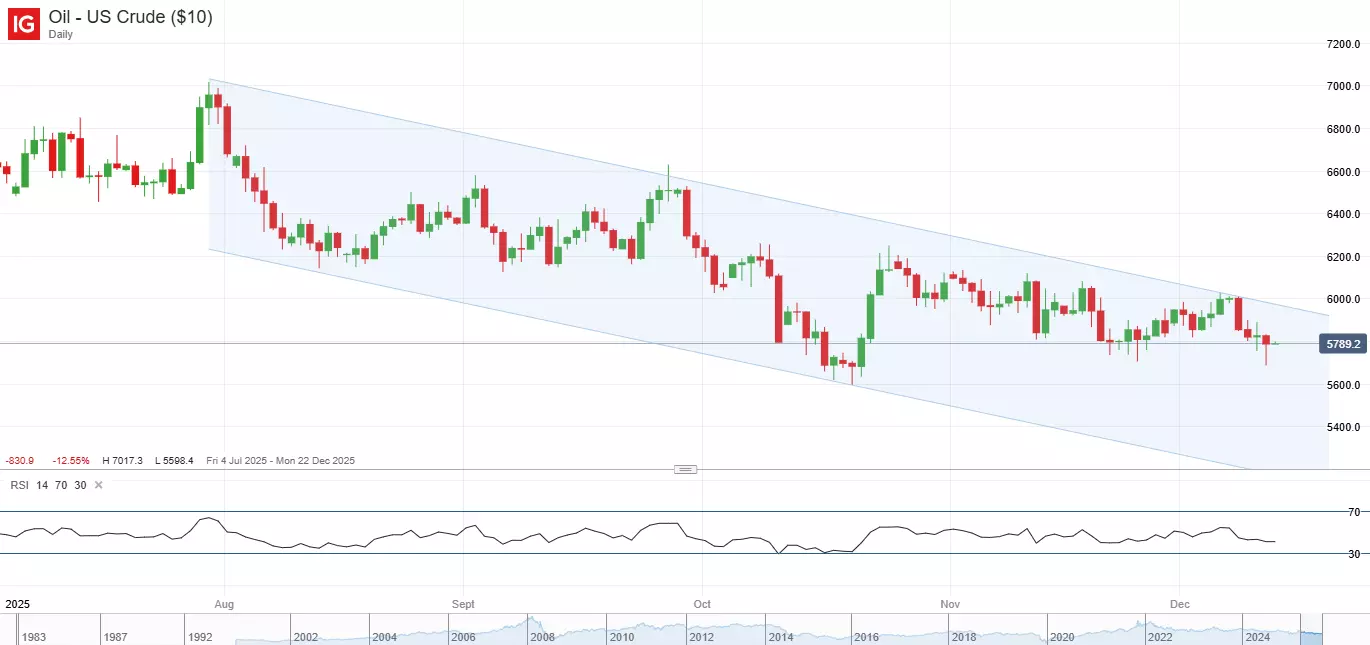
- Brent Oil: Currently trading around $60.75, Brent oil prices have experienced a 20.60% decline over the past year. However, analysts suggest that with potential geopolitical disruptions, prices could rebound, making Brent oil a key commodity to watch in 2026.

- Gold and Silver: Precious metals experienced historic gains in 2025, driven by factors such as Fed rate expectations, a softer dollar, and ongoing geopolitical tensions. With gold prices rising significantly, currently at around $4,345.50, and silver prices expected to follow suit, investors should monitor these trends as they may continue into 2026, especially amid inflation concerns.
Conclusion
The commodity market in 2026 is set to be influenced by a combination of economic growth, technological advancements, and geopolitical factors. Investors should strategically position themselves to capitalize on these trends, focusing on sectors that are likely to benefit from increased demand and price volatility.
Why It Matters
Understanding these trends is crucial for investors looking to diversify their portfolios and capitalize on the potential growth in the commodities sector. By staying informed and adaptable, investors can navigate the complexities of the market effectively. As we observe the recovery from a cyclical bear market, the potential for significant returns in commodities makes this sector an attractive option for savvy investors.
References
In summary, as 2026 unfolds, commodities are likely to take center stage in the global economic landscape, presenting both challenges and opportunities. With careful observation and strategic positioning, investors can leverage these dynamics for potential growth in their investment portfolios.