
Emerging Trends in Catastrophe Bonds: A Safe Haven for Investors
As climate risks escalate worldwide, investors are increasingly turning to catastrophe bonds (cat bonds) as a promising financial instrument. These bonds, which allow issuers to transfer disaster risk to investors, have gained traction amidst rising climate-related disasters. The catastrophe bond market is projected to exceed $500 billion by 2025, reflecting significant growth in a sector that combines investment opportunity with societal impact.
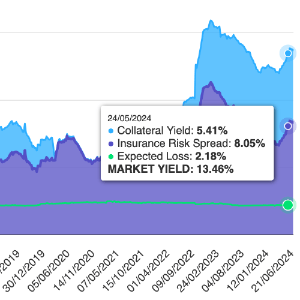
The Growth of the Catastrophe Bond Market
Recent data indicates a burgeoning interest in cat bonds as both a hedge against climate risks and an attractive investment vehicle. The expected issuance surpassing $500 billion illustrates the urgency to address climate-related challenges through innovative financial solutions. As extreme weather events become more frequent and severe, investors are increasingly viewing cat bonds as a stable choice amid market volatility.
According to a report from the Securities Industry and Financial Markets Association (SIFMA), the catastrophe bond market is not only expanding in size but also in the variety of products offered. Institutions are now issuing bonds linked to specific natural disasters, offering higher yields to attract capital. This trend aligns with a broader shift in investment strategies that prioritize sustainable and socially responsible assets.
Why Catastrophe Bonds Matter
Catastrophe bonds serve a dual purpose: they provide a hedge against climate-related risks while offering diversification benefits in fixed income portfolios. In an environment where traditional bonds are pressured by low yields and economic uncertainties, cat bonds present an attractive alternative. The yields on these securities can often exceed those of government bonds, especially in times of crisis.
“Investors are looking for ways to achieve greater returns while also aligning their portfolios with environmental and social values,” says Mark F. McGuinness, a senior analyst at a leading investment firm. “Cat bonds allow them to contribute to climate resilience efforts and potentially earn substantial returns.”
Furthermore, the structure of cat bonds—where payouts are contingent upon the occurrence of specified natural disasters—means they can perform well even when traditional markets are in decline. This unique feature makes them appealing to those seeking to balance risk and return in their investment strategies.
Conclusion
The rise of catastrophe bonds reflects a significant shift in investment strategies, emphasizing the importance of aligning financial returns with societal needs. As the market continues to evolve, investors are encouraged to consider the potential of cat bonds in their fixed income allocations, especially in an era marked by increasing environmental challenges.
Investing in catastrophe bonds not only offers an opportunity for higher yields but also contributes to the funding of disaster recovery efforts, enhancing resilience against climate change. As the world grapples with the realities of a shifting climate, these bonds present a viable pathway for investors seeking both financial stability and a positive societal impact.
In conclusion, as we move further into 2026, the catastrophe bond market may serve as a crucial component of a well-rounded investment portfolio, particularly for those wary of traditional fixed income instruments. The incorporation of cat bonds could provide not just a buffer against climate-related risks but also an avenue for achieving desired financial outcomes.
By embracing catastrophe bonds, investors can navigate the complexities of today's financial landscape while supporting essential initiatives aimed at addressing the pressing challenges posed by climate change.