
South Korea's Forex Market Faces Increased Volatility: What Traders Need to Know
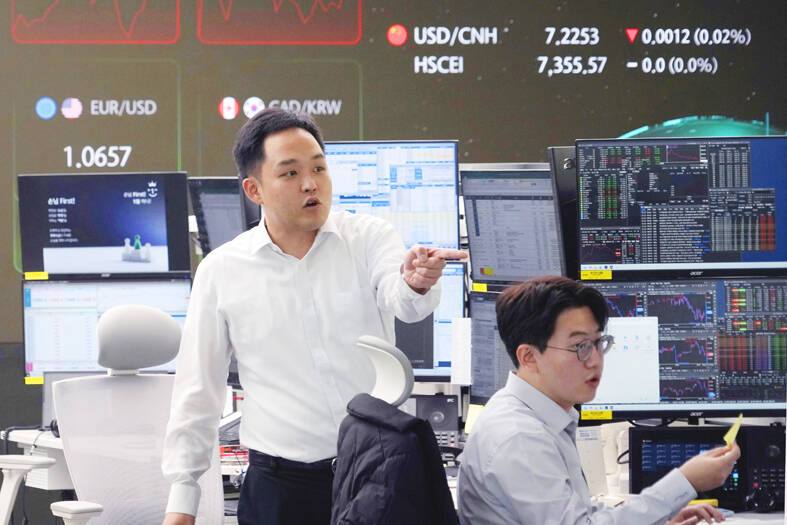
As South Korea's foreign exchange (forex) market grapples with heightened volatility, financial authorities have sounded alarms, urging traders to exercise caution and adapt their strategies accordingly. Recent governmental warnings underscore the need for stabilization measures to mitigate the potential risks associated with the fluctuating Korean won. With geopolitical tensions and economic uncertainties looming, investors must remain vigilant amidst shifting currency dynamics.

Understanding the Current Landscape
The South Korean forex market has recently experienced significant fluctuations, leading the Bank of Korea (BOK) and other financial authorities to emphasize the importance of market stability. This proactive stance reflects a growing recognition of the potential consequences that volatility can have for traders and investors alike. The local authorities have pledged to implement swift stabilization measures which may involve interventions to support the Korean won against major currencies like the US dollar.
According to a MarketWatch article, South Korean financial authorities are preemptively warning against the rising volatility in the forex market. The BOK's commitment to stabilization measures serves to reassure market participants that the government is prepared to act swiftly should market conditions worsen.
Key Drivers of Volatility
The volatility affecting the South Korean forex market is influenced by several factors, including:
-
Geopolitical Tensions: With ongoing regional tensions particularly related to North Korea, any developments can lead to rapid fluctuations in the value of the won. Traders are advised to monitor news from North Korea, as escalations can directly impact market sentiment.
-
Economic Data Releases: South Korea’s economic indicators, such as GDP growth rates, inflation figures, and employment data, significantly influence currency strength. Traders should stay abreast of these releases to anticipate potential market reactions.
-
Central Bank Policy: The BOK's monetary policy decisions play a critical role in shaping forex dynamics. Recent shifts toward more aggressive or cautious stances can prompt immediate market responses, particularly regarding interest rates and liquidity provisions.
- Global Market Sentiment: Fluctuations in global markets, including other major currencies, commodities, and equities, can have a cascading effect on the forex market. For instance, changes in the value of the US dollar often have a corresponding impact on the Korean won.
Strategies for Traders
In light of the current volatility, traders engaging with the South Korean forex market should consider the following strategies:
-
Implement Risk Management Techniques: Employing strict risk management protocols can help traders safeguard their investments. This includes setting stop-loss orders and diversifying portfolios to minimize exposure to sudden market shifts.
-
Stay Informed: Keeping abreast of economic releases and geopolitical developments will enable traders to make informed decisions quickly. Utilizing real-time financial news services and market analysis platforms can provide the latest insights.
-
Monitor Central Bank Communications: Traders should pay close attention to any announcements from the BOK. Statements regarding monetary policy can lead to immediate adjustments in trading strategies.
-
Utilize Technical Analysis: Employing technical analysis tools can help traders identify patterns and trends in market data, allowing for more precise entry and exit points.

Why It Matters
The stability of the forex market is crucial for both domestic and international investors. Increased volatility often results in unpredictable trading conditions, making it essential for traders to adapt swiftly to changing circumstances. As South Korea's economy remains interconnected with global markets, the health of its forex market has implications beyond its borders.
By staying informed and responsive, traders can better position themselves to capitalize on opportunities while effectively managing risks. With the right strategies, investors can navigate this turbulent landscape and potentially benefit from the ongoing fluctuations in the market.
In conclusion, as South Korean authorities remain vigilant in their efforts to stabilize the forex market, traders must also adapt to the evolving landscape. With the right information and strategies in place, navigating this period of volatility can lead to successful trading outcomes.

For ongoing updates and insights into the forex market, traders are encouraged to utilize resources such as Investing.com and MarketWatch.