
The Impact of Inflation on Global Bond Markets: A 2026 Perspective
In the ever-evolving landscape of finance, the specter of inflation looms large, particularly over global bond markets. As we delve into 2026, recent fluctuations in inflation rates are reshaping the strategies of investors worldwide. With yields on bonds reflecting these changes, understanding the implications of inflation is critical for making informed investment decisions. This article explores the current state of inflation and its multifaceted impact on bond yields, providing insights to help investors navigate this volatile terrain.
Current Inflation Trends
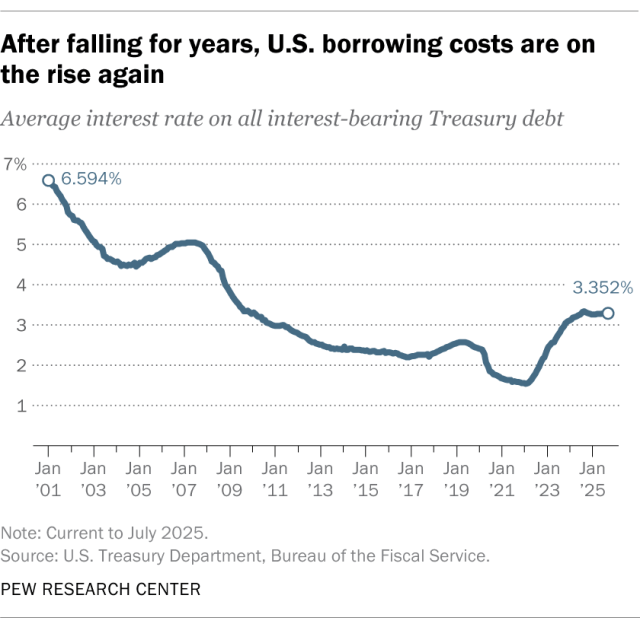
Inflation has emerged as a significant force influencing economic policy and market behavior. As of January 2026, inflation rates continue to exhibit volatility, prompting central banks to adjust their monetary strategies. For instance, the U.S. Federal Reserve's cautious stance on interest rate hikes has direct consequences for Treasury yields. The yield on the 10-year Treasury bond currently hovers around 4.25%, a reflection of market anticipations of persistent inflationary pressures.

The Federal Reserve’s policy adjustments are mirrored globally. In Canada, the Bank of Canada has raised its benchmark interest rate to 4.5% in an effort to combat rising prices. Similarly, the Reserve Bank of Australia is expected to follow suit, further contributing to increased yields in their respective bond markets. These actions underscore a coordinated global response to inflation, impacting investor behavior and the attractiveness of various fixed income securities.
Global Responses to Inflation
Countries worldwide are grappling with inflation, leading to varied responses from central banks. The European Central Bank (ECB) is also under pressure to address inflation concerns while managing economic growth across member states. The ECB's recent communications suggest a potential tightening of monetary policy, which could further influence the yields of euro-denominated bonds.
According to a recent study by Bloomberg, inflation in the Eurozone has surged to levels not seen in decades, prompting forecasts of increased interest rates. The evolving economic landscape reflects a global shift towards higher yields, creating opportunities and challenges for investors.
Investment Strategies Amidst Inflation
As inflation continues to erode purchasing power, investors must reassess their fixed income strategies. Traditional fixed-rate bonds may become less attractive as the real yield (nominal yield minus inflation) diminishes. Consequently, many are gravitating towards Treasury Inflation-Protected Securities (TIPS) and floating-rate bonds, which offer a hedge against rising prices and potential inflationary environments.
The appeal of TIPS lies in their structure, as they adjust the principal value based on changes in the Consumer Price Index (CPI). As inflation rises, so does the principal, offering investors protection against the corrosive effects of inflation. This feature has garnered increased interest, with TIPS becoming a vital component of diversified portfolios.
Investors are also exploring other asset classes, such as commodities and real estate, to mitigate inflation risks. According to a report from Trading Economics, commodities have historically provided a hedge against inflation, making them an attractive option for those looking to preserve capital and maintain purchasing power.
Conclusion
As we progress through 2026, the interplay between inflation and bond yields will remain crucial for investors. Understanding these dynamics is essential for developing effective investment strategies. Those who adapt their portfolios to incorporate inflation-sensitive investments, such as TIPS and floating-rate instruments, may capitalize on opportunities in a challenging economic environment.
Moreover, keeping an eye on central bank policies and global economic trends will be vital in navigating the complexities of the bond market. By leveraging data-backed insights and remaining agile, investors can enhance their returns while managing risks associated with inflation.
Keywords
- Inflation
- Bond Yields
- Treasury Bonds
- TIPS
- Investment Strategies
References
The future of investing in bonds amidst inflation presents both challenges and opportunities. As market dynamics continue to evolve, investors are advised to stay informed and agile, ensuring their strategies reflect the current economic landscape.