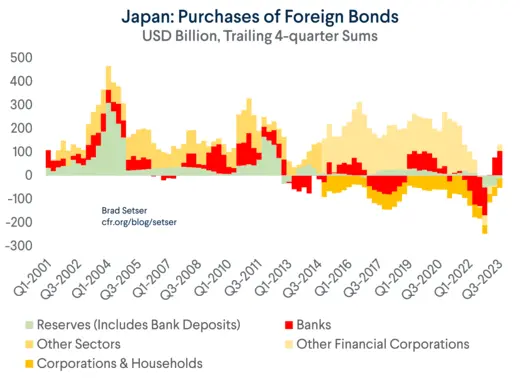
Japan's 30-Year Government Bonds: Strong Demand Amid Rising Yields
In a notable development for the global bond market, Japan's latest auction of 30-year government bonds showcased robust demand, signaling a shift in investor sentiment despite ongoing concerns regarding rising yields. As of January 9, 2026, the yield on these bonds is notably elevated, prompting investors to seek long-term security in a turbulent economic landscape. This trend may indicate a strategic pivot among investors towards longer maturities as a hedge against inflation and economic uncertainty.

Why It Matters
The compelling demand for long-term bonds reveals an increasing wariness among investors regarding short-term market volatility. As yields rise, particularly in the context of inflation pressures, many investors are prioritizing stability over immediate returns. This indicates a broader trend where market participants may perceive Japan's fiscal management as improving, fostering confidence in the nation's economic recovery prospects.
The Bank of Japan's (BoJ) monetary policy, which has historically aimed to keep interest rates low to stimulate growth, continues to play a crucial role in shaping market dynamics. The strong interest in 30-year bonds may reflect a deeper faith in the BoJ's ability to manage inflation while supporting economic stability. With Japan’s economy showing signs of life after years of stagnation, such interest could positively influence global bond markets and shape interest rate expectations moving forward.
Investor Behavior and Market Trends
Recent trends indicate that investors are gravitating towards longer durations as they grapple with the implications of inflationary pressures. According to the latest data, demand for 30-year Japanese government bonds has surged, with several recent auctions demonstrating strong participation. For example, the auction held on January 6, 2026, saw bids significantly exceeding the amount offered, suggesting a healthy appetite for these securities.
"Investors are clearly looking for safe havens amid rising volatility, and long-term bonds provide a viable option," remarked Hiroshi Tanaka, a senior analyst at a leading financial services firm. "The current yield environment, albeit elevated, demonstrates that many are willing to accept lower yields for the relative safety of stability over the long term."
The Broader Economic Context
Japan's recent economic performance has been mixed, with inflation rising to levels not seen in decades. As per recent figures, the core consumer price index (CPI) has approached 3%, reflecting the complex interplay of global supply chain disruptions and domestic demand recovery. This has led to a recalibration of expectations regarding the future trajectory of interest rates.
The BoJ's current policy stance remains key. While it has maintained its ultra-loose monetary policy, recent indications suggest a potential shift towards tightening if inflationary pressures persist. This balancing act will be closely monitored by market participants, particularly those heavily invested in the long-term bond segment.
Global Implications
The implications of Japan's bond market trends extend beyond its borders. As one of the largest bond markets in the world, shifts in Japan can influence investor sentiment globally. A continued focus on long-term bonds may encourage similar behaviors in other markets, especially as inflation concerns loom large in regions such as North America and Europe.
Moreover, Japan's bond yields serve as a critical benchmark for investors worldwide. Analysts suggest that if the trend of strong demand for longer-dated Japanese bonds continues, it could lead to a stabilization of yields across other sovereign bonds.
Conclusion
Japan's 30-year government bonds are witnessing significant investor interest amid rising yields, reflecting a collective shift towards seeking stability in uncertain financial times. This phenomenon not only underscores changes in investor psychology but also highlights the interconnectedness of global financial systems. As the Bank of Japan navigates its monetary policy, the implications of these trends will be pivotal for both domestic and international markets.
Investors are encouraged to keep a close watch on developments in Japan's bond market, as trends here could signal broader changes in global investment strategies. The interplay between yields, inflation, and fiscal management will undoubtedly continue to shape the landscape for government bonds in 2026 and beyond.
References