Canada's Bond Market: Navigating the Impact of Economic Slowdown
As Canada grapples with the potential for an economic slowdown, recent trends in government bond yields highlight a significant shift in investor sentiment. With inflationary pressures and a faltering GDP, the bond market is set for a critical examination. This article delves into the current economic landscape, its implications for bond dynamics, and what it means for investors moving forward.
Overview
In light of recent economic data suggesting a slowdown in Canada, investors are closely monitoring government bond yields. Reports from Trading Economics indicate that the market has reinforced expectations that policy rates are nearing their cycle high. Such developments cast a long shadow on fixed income investments, signaling shifts in investor strategies as they seek to navigate uncharted waters.
Economic Context
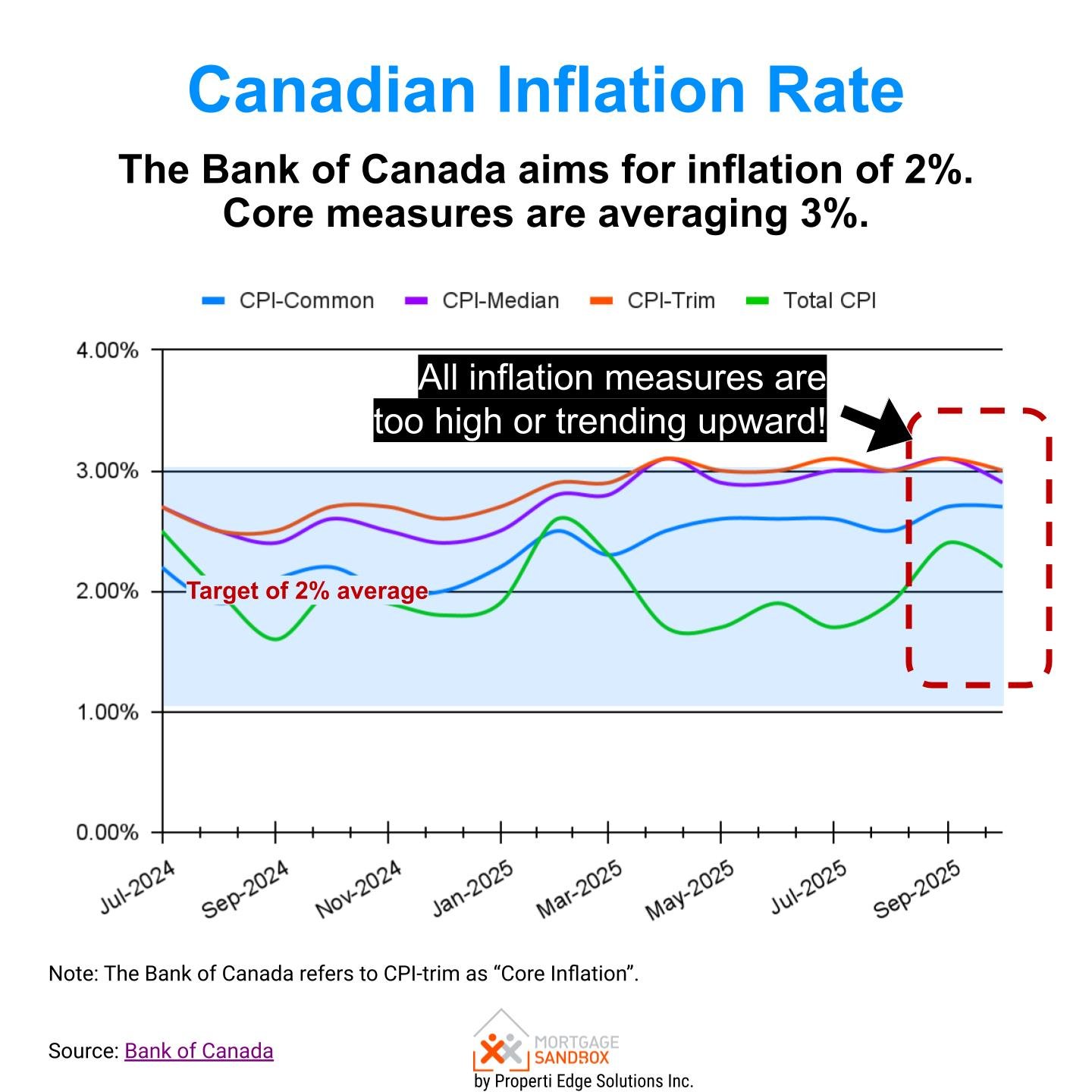
Recent GDP tracking data reveals a fading momentum as the year comes to a close. The Bank of Canada's latest economic reports highlight a decline in consumer spending and investment, contributing to this slowdown. With inflation remaining persistently high, the central bank's monetary policy is under scrutiny. As a response to these dynamics, investors are reassessing their strategies in the bond market, particularly regarding long-term government securities. Fluctuations in the yield on Canadian government bonds reflect broader economic uncertainties that are weighing heavily on investor decisions.
According to the latest figures, the yield on the 10-year Canadian government bond has been observed fluctuating around 3.40% as of this week. This yield level is significant, as it indicates investor expectations regarding future interest rates and economic growth. If yields continue to rise, it suggests that investors are preparing for a more hawkish stance from the Bank of Canada, which could further impact borrowing costs across the economy.
Investor Sentiment
With the potential for rising interest rates, many investors are gravitating toward safer assets, leading to an increased demand for government bonds. This trend is especially evident in the 10-year and 30-year bond segments, where yields serve as critical indicators of future economic conditions. As pointed out by Mona Mahajan, a seasoned macroeconomic strategist, "Investors are increasingly seeking refuge in long-term bonds as they navigate the complexities of an uncertain economic landscape. The stability of government securities offers a compelling alternative amid rising volatility."
The surge in demand for government bonds can be attributed to a combination of inflation fears and geopolitical tensions. As central banks globally tighten their monetary policies, Canadian investors are increasingly cautious about potential market corrections. The sentiment is palpable: many are shifting their portfolios toward fixed income to mitigate risk, even in the face of rising yields.
Implications for Investors
For investors, the implications of these trends are multifaceted. As yields rise, the prices of existing bonds may fall, which can significantly impact returns. Understanding the intricate relationship between economic indicators and bond yields is crucial for making informed investment decisions.
Current strategies should incorporate a focus on duration management and risk assessment. Investors are advised to evaluate their exposure to interest rate movements and consider diversifying their portfolios to include inflation-protected securities. As noted in recent analyses from Edward Jones, "In a rising yield environment, the price of fixed income securities may decline, making it essential for investors to reassess their positions."
Moreover, as central banks like the Bank of Canada signal their intentions regarding interest rate adjustments, it’s vital for investors to stay updated on macroeconomic indicators that could influence bond market dynamics. Keeping an eye on employment figures, inflation rates, and GDP growth will be essential in crafting adaptive investment strategies.
Conclusion
As Canada navigates these economic challenges, the bond market will continue to be a critical area for investors. Keeping an eye on government bond yields and economic indicators will be essential for adapting investment strategies in the coming months. With the specter of rising interest rates and inflation looming over the horizon, Canadian investors must remain vigilant and proactive in managing their fixed income portfolios.
In summary, understanding the evolving landscape of the Canadian bond market will not only provide insights into current investment opportunities but also equip investors to better weather the economic slowdowns ahead.
For further information on government bond yields in Canada, visit Trading Economics.
Investors need to prepare for an environment marked by uncertainty, and the bond market will likely play a pivotal role in shaping their financial futures.