
The Rise of AI in Forex Trading: Transforming Strategies in 2026
As artificial intelligence (AI) technology continues to evolve, its integration into forex trading is drastically reshaping strategies and enhancing decision-making processes. In 2026, traders are leveraging AI-driven tools to navigate the complexities of the foreign exchange market with greater efficiency and accuracy, marking a significant shift in how trading decisions are made.
Why It Matters
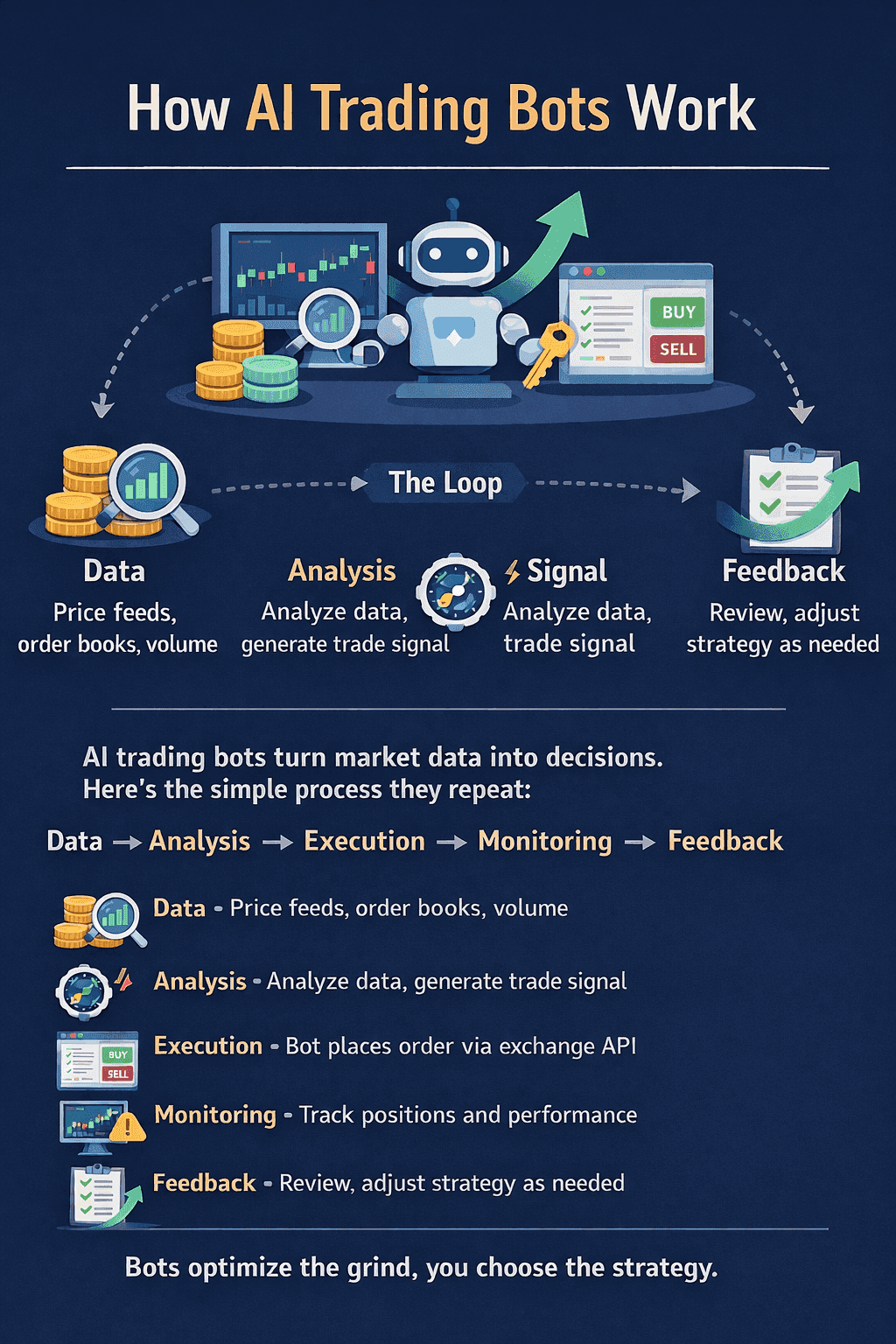
The incorporation of AI into forex trading enables the analysis of vast amounts of data at unprecedented speeds. Algorithms can process real-time market information, historical data, and economic indicators to identify trading opportunities that human traders might overlook. This capability is particularly crucial in a market characterized by high volatility and rapid changes, where split-second decisions can significantly impact profitability.
Key Developments
-
Predictive Analytics: AI algorithms are increasingly employed to predict currency movements based on historical patterns and current market conditions. According to a report by Bloomberg, leveraging predictive analytics can enhance decision-making and potentially increase profitability for traders. These algorithms analyze complex data sets in real-time, providing insights into potential market trends.
-
Automated Trading Systems: More forex traders are adopting automated systems powered by AI that execute trades based on predefined criteria. These systems can operate 24/7, ensuring that traders do not miss opportunities due to time constraints. For instance, platforms like AvaTrade are integrating AI to create sophisticated trading bots that help traders capitalize on market fluctuations without constant supervision.
-
Sentiment Analysis: AI tools are also being utilized to gauge market sentiment by analyzing news articles, social media, and other online content. Understanding market sentiment allows traders to anticipate market movements more accurately. A study from the Economic Times highlights the growing importance of sentiment analysis in predicting currency trends, as market reactions are often driven by public perception and news cycles.
Implications for Traders
The rise of AI in forex trading presents both opportunities and challenges. While AI enhances trading efficiency and accuracy, it also necessitates that traders adapt to new technologies and methodologies. Successful traders in 2026 will be those who can effectively integrate AI tools into their trading strategies while retaining a solid understanding of market fundamentals.
As AI and machine learning technologies continue to advance, they will likely further transform trading practices. Traders are encouraged to stay informed about these technological advancements and consider incorporating them into their strategies.
Challenges Ahead
Despite the many benefits, the integration of AI into forex trading is not without its challenges. The reliance on algorithms can lead to a lack of human oversight, which might increase the risk of significant losses during unexpected market events. Furthermore, the sophistication of AI tools means that traders must continually educate themselves to remain competitive. As per insights from Investing.com, those who fail to adapt risk falling behind in an increasingly data-driven trading environment.
Conclusion
The forex market is undergoing a notable transformation in 2026 as AI becomes an integral part of trading strategies. From predictive analytics and automated trading systems to sentiment analysis, AI is enhancing traders' abilities to make informed decisions amidst volatile market conditions. As the landscape continues to evolve, staying abreast of technological advancements will be crucial for traders looking to maintain a competitive edge. Resources like Forex.com and Investing.com provide ongoing insights and updates relevant to these developments.

With this integration of AI, the future of forex trading appears promising, enabling enhanced strategies and improved market understanding. As traders navigate this new era, adaptability will be key to their success.