Copper Futures Gain on Increased Spot Demand: Market Insights
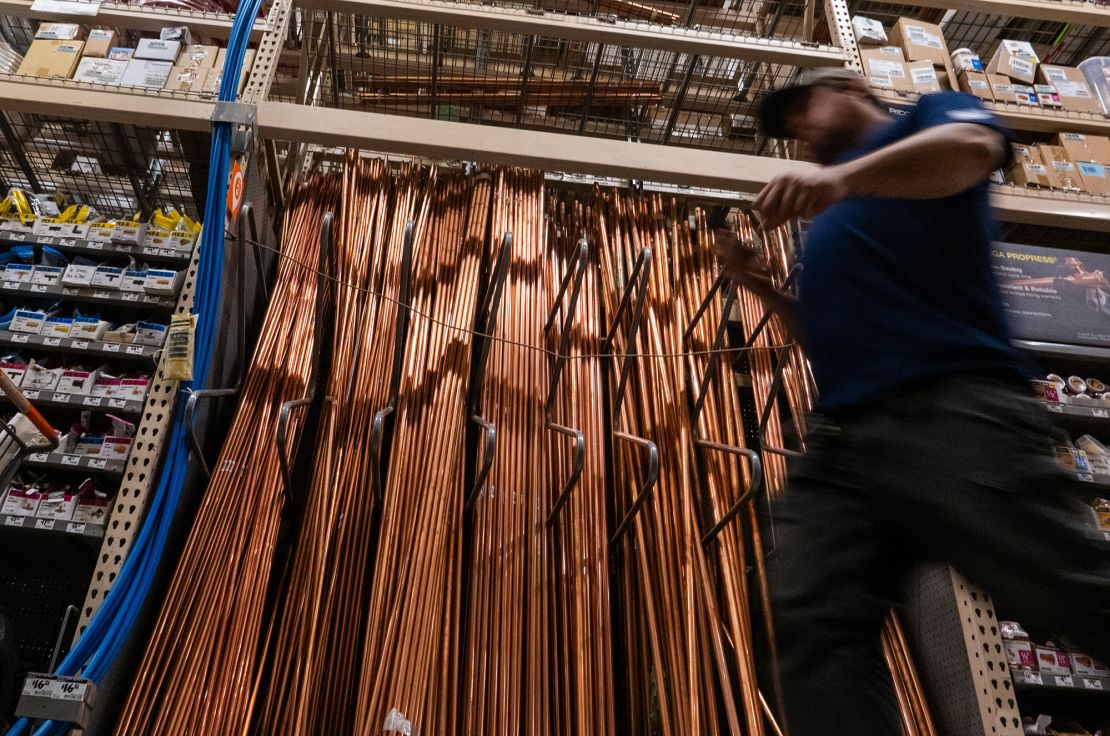
Copper futures have surged by Rs 26.35, reaching Rs 1,325 per kg, spurred by heightened spot demand as various industries ramp up production in anticipation of an economic recovery. This rise indicates a robust trend in the commodities market, reflecting the integral role copper plays in a variety of sectors, particularly in construction and electronics.
Factors Driving Demand for Copper
The current spike in copper prices can be attributed to several interrelated factors:
-
Post-Pandemic Recovery: As economies gradually emerge from the pandemic's grip, there is an uptick in infrastructure projects worldwide. Governments are investing heavily in construction and manufacturing, sectors that are significant consumers of copper.
-
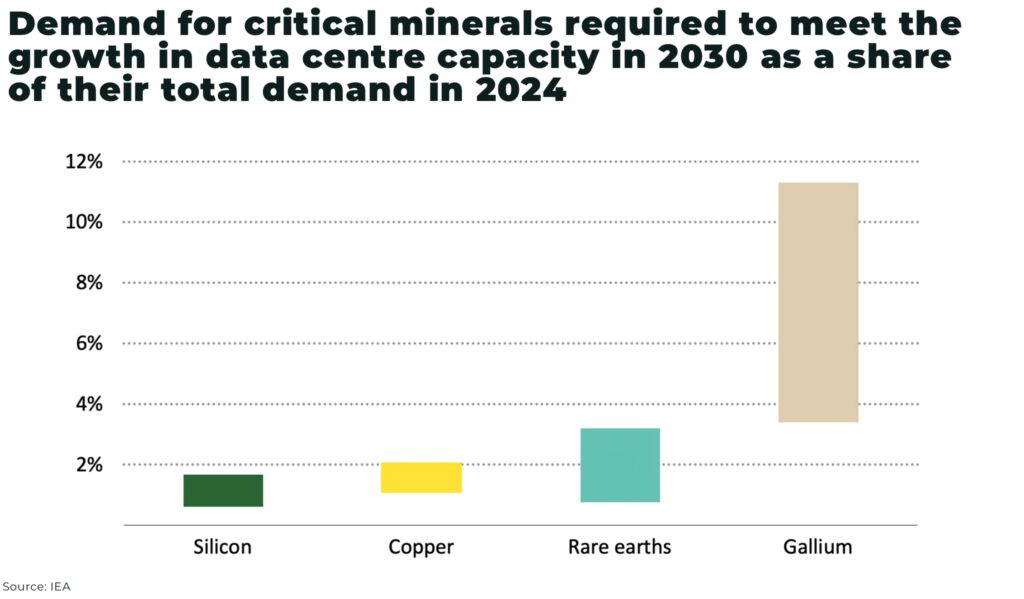
Electrification and Green Energy: The global push towards renewable energy and electric vehicles (EVs) is increasing demand for copper, which is essential in wiring and electric components. According to a recent report by Investing.com, copper usage in EV production is expected to rise sharply as automakers shift to sustainable practices.
-
Supply Chain Constraints: Current supply chain disruptions and geopolitical tensions, particularly involving major copper-producing countries like Chile and Peru, have resulted in tighter copper supplies. As demand outpaces supply, prices naturally rise.
-
Inflation Hedging: Market observers note that copper is viewed as a barometer for economic health. As inflation concerns rise, investors tend to flock to commodities like copper, viewing them as a hedge against currency devaluation.
Implications for Investors
For investors, the recent increase in copper prices presents both opportunities and risks. Here are key considerations:
-
Portfolio Diversification: Given its fundamental role in multiple industries, copper could be an effective addition to an investment portfolio, particularly as a hedge against inflation. Investors might consider copper futures or exchange-traded funds (ETFs) that focus on copper and other metals.
-
Monitoring Economic Indicators: Investors should stay attuned to global economic indicators, including manufacturing data and construction spending reports, as these will influence copper demand and pricing.
-
Potential Volatility: While the outlook appears positive for copper, investors should remain cautious. Price fluctuations can occur due to unexpected supply chain changes or global economic shifts. It's crucial to conduct thorough research and possibly consult financial advisors before making significant investment decisions.

Future Outlook
The future trajectory of copper prices will largely depend on continued demand from emerging markets and the pace of economic recovery globally. Factors such as central bank policies, particularly those of the U.S. Federal Reserve, will also play a critical role. Investors should watch for signals regarding interest rates and inflation, as these can greatly affect commodity prices.
Moreover, technological advancements in mining and processing may enhance supply capabilities, potentially stabilizing prices in the long term.
Conclusion
The recent rise in copper futures is a reflection of increased industrial demand and a broader economic recovery narrative. As investors look to capitalize on this trend, staying informed about market dynamics, regulatory changes, and geopolitical developments will be integral to navigating the copper market successfully.
For further insights into copper and its market dynamics, resources such as Economic Times and Investing.com provide valuable updates.