Sustainable Investing: The Rise of Global Equity ETFs
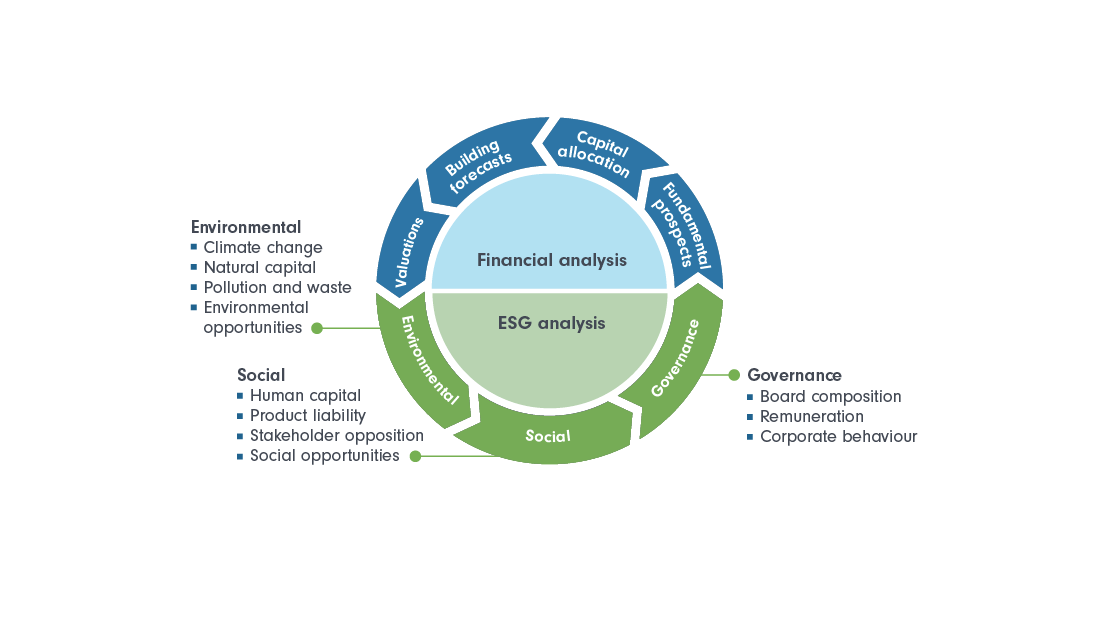
In recent years, sustainable investing has transitioned from a niche market to a mainstream investment strategy. Investors are now more conscious of the social and environmental impact of their portfolios, leading to a surge in demand for global equity ETFs that adhere to socially responsible principles. The rise of these funds reflects an increasing commitment to Environmental, Social, and Governance (ESG) criteria, which are becoming critical benchmarks for investors seeking to align their portfolios with their values.

Key Trends in Sustainable ETFs
Diverse Portfolio Composition
Many sustainable ETFs emphasize a diversified portfolio of equity securities from around the world. A prime example is the CIBC Sustainable Global Equity ETF, which aims for long-term capital growth while ensuring its investments adhere strictly to ESG standards. By focusing on companies committed to sustainability, these funds not only attract socially conscious investors but also promote responsible business practices.
Performance Metrics
Sustainable ETFs have shown remarkable resilience, often outperforming their traditional counterparts during market downturns. According to Morningstar, funds that incorporate ESG criteria into their investment strategies tend to have lower volatility and can mitigate risks better than conventional funds. For instance, during the recent market fluctuations, sustainable ETFs have demonstrated performance advantages, reinforcing the notion that investing with purpose can yield favorable financial outcomes.
Investor Demand
The shift towards sustainable investing is evident in the increasing inflows into these types of ETFs. A report by Fidelity indicated that inflows into sustainable investment products reached record highs, as investors are eager to align their financial goals with their ethical values. Research shows that approximately 60% of investors are considering including sustainable investments in their portfolios, highlighting a growing trend toward integrating personal values with financial strategies.

Why It Matters
The rise of sustainable global equity ETFs reflects a broader shift in investor sentiment towards responsible investing. As awareness of climate change, social justice, and corporate governance issues grows, investors are increasingly seeking products that not only provide potential financial returns but also contribute positively to society and the environment. These funds serve as viable investment vehicles for those looking to diversify their portfolios while making a meaningful impact.
A commitment to sustainable investing is not only about individual ethical considerations; it is also about recognizing that companies adhering to ESG principles are more likely to thrive long-term. Sustainable investments can lead to better financial performance, as companies that prioritize sustainability are often more innovative, resilient, and better at managing risks associated with environmental and social issues.
Conclusion
With the increasing importance of sustainability in investment decisions, global equity ETFs focused on socially responsible practices are set to play a pivotal role in shaping the future of investment strategies. As more investors seek to combine profit with purpose, the demand for these innovative financial products will likely continue to rise.
Investors interested in aligning their portfolios with their values should consider embracing sustainable ETFs as a pathway not only to financial growth but also to contributing to a more sustainable and equitable world. As the investment landscape evolves, sustainable ETFs represent a promising intersection of financial opportunity and social responsibility.

As sustainable investing continues to gain traction, the innovation in this sector will likely foster an even more robust selection of investment products that prioritize both financial performance and positive societal impact. The future of investing is not just about profits; it's about making a difference.