Navigating South Korea's Forex Market: Recent Trends and Future Outlook
In the final months of 2025, South Korea's foreign exchange (forex) market faced notable challenges, marked by a decline in trading volume and shifting dynamics among currencies. The Bank of Korea's recent report highlighted a significant drop in demand for the U.S. dollar, raising questions about market stability and the strategies traders may need to adopt moving forward. This article explores the recent trends in South Korea's forex market, the implications of these changes, and strategic insights for investors as they navigate this evolving landscape.
Overview
According to data from the Bank of Korea, foreign exchange trading in South Korea experienced a notable downturn in the fourth quarter of 2025. The daily average trading volume for the U.S. dollar fell by $2.65 billion, while transactions involving the Chinese yuan also decreased by $1 billion. This decline is indicative of a broader shift in market dynamics that could be influenced by geopolitical factors and changing investor sentiment.
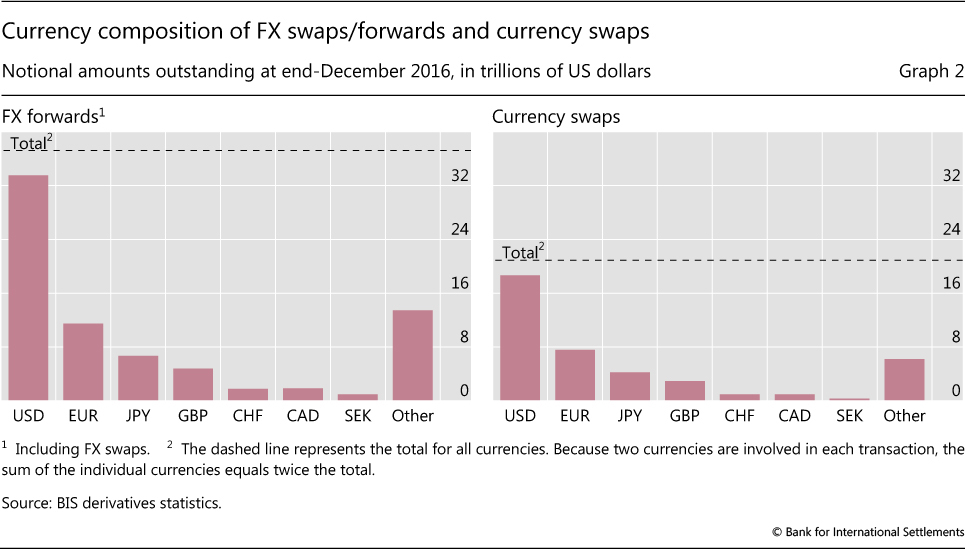
The decline contrasts sharply with the growing demand for FX swaps and derivatives, which saw an increase of $0.72 billion, reaching a total of $18.94 billion in that same quarter. This suggests that while spot trading volumes may be receding, traders are actively managing their currency risks through derivatives.
Key Findings
-
Trading Volume Decline: The significant drop in the daily average trading volume indicates traders may be reassessing their positions in light of a fluctuating global economic landscape.
-
FX Swaps and Derivatives Growth: The increase in FX swaps highlights a strategic pivot among traders towards risk management solutions, as they leverage derivatives to hedge against potential currency fluctuations.
-
Volatility Trends: The volatility of the South Korean won against the U.S. dollar experienced a slight decrease, with the daily average edging down to 0.36% in December from 0.37% in November. This reduction in volatility may create a more predictable trading environment, which can be advantageous for cautious investors.
Implications for Traders
The decline in forex trading volume raises several vital considerations for South Korean traders and investors, particularly in the context of managing currency exposure and risk. Here are some strategic approaches to consider:
-
Diversification: Given the observed volatility and reduced demand for the U.S. dollar, diversifying into other currencies or derivatives may help mitigate risks. This strategy can provide protection against potential downturns in specific currencies while enabling access to growth opportunities in others.
-
Monitoring Economic Indicators: Keeping a close eye on economic indicators and central bank policies will be crucial for traders aiming to anticipate shifts in market dynamics. Changes in interest rates, inflationary pressures, and macroeconomic stability will play significant roles in determining currency valuation.
-
Engaging with Derivatives: As FX swaps gain traction in the forex landscape, traders could benefit from exploring these instruments to hedge against potential currency fluctuations. Understanding the mechanics of these derivatives will be essential for effective risk management.
Market Stability and Future Outlook
Looking ahead to 2026, traders must remain vigilant and flexible in their strategies. The shifting dynamics in South Korea's forex market underline the need for adaptable approaches that can respond to market fluctuations and geopolitical uncertainties.
Finance Minister Koo Yun-cheol has emphasized the government's commitment to ensuring market stability despite encountering challenges such as increased volatility and fluctuations in demand. He stated, "We aim to find an ideal solution that harmonizes pension profitability with foreign exchange market stability." As the government ponders reforms and regulatory adjustments to meet these objectives, traders should stay informed about potential policy shifts.

Conclusion
As South Korea's forex market adapts to current changes, traders must prioritize flexibility and vigilance in their strategies. Understanding the underlying factors driving these trends will be essential for capitalizing on future opportunities in the forex landscape. With market dynamics shifting, adopting a multi-faceted approach that includes diversification and active monitoring of economic indicators will position traders favorably in a complex and evolving environment.
For further insights on the South Korean forex market and updates on global trading dynamics, traders may refer to resources such as Xinhua. The ongoing shifts underscore the importance of remaining informed and adaptable in a rapidly changing economic climate.