
Iran's Protests Drive Oil Prices Higher: Implications for Global Markets
As protests in Iran escalate, oil prices have surged, with Brent crude trading above $64 per barrel. The unrest, driven by economic turmoil and high inflation, has raised concerns about potential supply disruptions from one of the world's major oil exporters. This dynamic illustrates a crucial intersection of geopolitical tensions and global oil markets, warranting closer examination of how these events could impact investors and the broader economy.
Key Developments
-
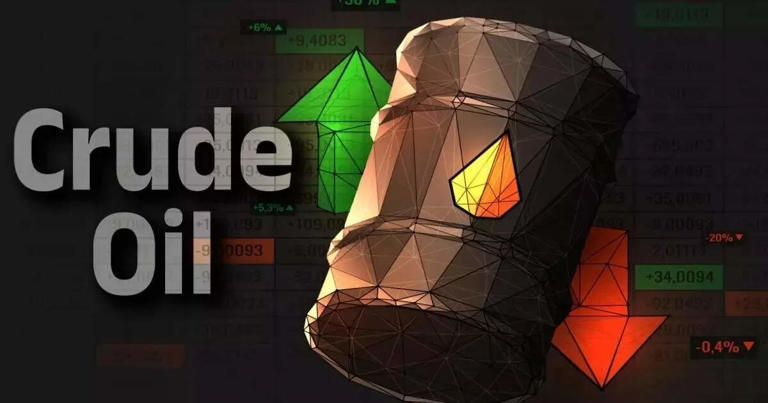
Brent Crude Surge: Prices spiked by 3% following reports of violence and unrest, reflecting market fears of supply constraints. As reported by ICIS, prices reached approximately $64.35 before settling slightly lower, indicating volatility in response to ongoing conflicts.
-
Geopolitical Risks: The situation has led to heightened geopolitical risks, prompting investors to seek safe-haven assets, including oil. U.S. President Donald Trump has signaled potential military intervention as the situation escalates, adding further uncertainty to the oil market.
-
Impact on Petrochemicals: The rise in oil prices is also affecting petrochemical markets, with naphtha prices increasing. This surge is impacting downstream products like polypropylene (PP) and polyethylene (PE), leading to increased production costs for manufacturers reliant on these materials.
Why It Matters
For investors, understanding the dynamics of oil prices amid geopolitical tensions is crucial. The instability in the Iranian market could lead to increased volatility in oil prices, significantly impacting global supply chains and commodity markets.
Countries that heavily rely on Iranian oil, such as India and China, face potential supply disruptions. In 2025, Iranian imports to India fell by 77.5% due to renewed sanctions, emphasizing the fragility of supply routes in times of geopolitical unrest.
Furthermore, industry experts suggest that sustained high oil prices could signal inflationary pressures across various sectors, complicating monetary policy decisions for central banks worldwide.
Market Reactions
The oil market's reaction to the unrest in Iran underscores its sensitivity to geopolitical developments. Brent crude prices have fluctuated significantly, with a 3% rise noted in recent trading sessions, as outlined by Investing.com.
Analysts indicate that this trend could continue as the situation develops; further escalations in Iran may push prices even higher. Brent's 52-week price range indicates potential volatility, with current prices reflecting a significant shift from previous lows, raising concerns among analysts about sustained increases in fuel costs globally.
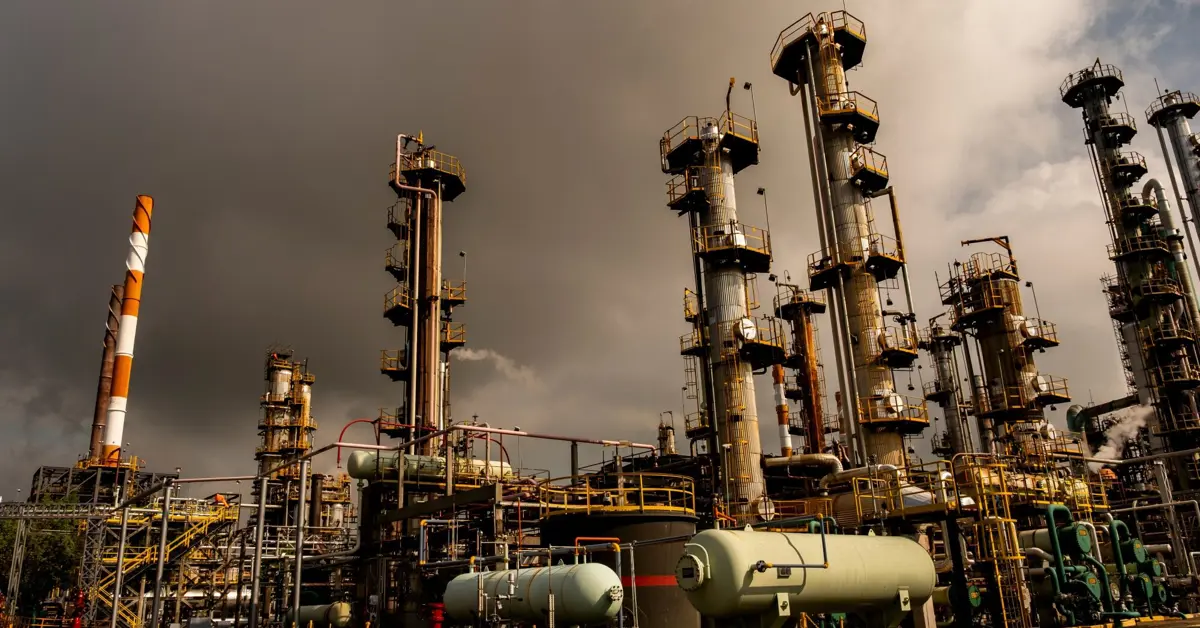
Moreover, the petrochemical sector, which serves as a critical component of the global supply chain for goods ranging from plastics to construction materials, is experiencing corresponding price hikes. According to market reports, naphtha prices surged, which may compel manufacturers to pass on costs to consumers.
Conclusion
The situation in Iran serves as a reminder of how quickly geopolitical events can influence commodity prices. Investors should remain vigilant and consider the potential for further price fluctuations in the oil market as the situation develops. The interplay between political unrest, economic sanctions, and oil supply dynamics will be critical indicators to watch in the coming weeks.
As the global economy grapples with post-pandemic recovery, the ramifications of Iran's protests on oil prices highlight the interconnected nature of energy markets and geopolitical stability. Investors are advised to stay informed and adjust strategies accordingly, as the ramifications of these developments could reverberate through various asset classes.
Keywords: Oil, Brent Crude, Iran, Geopolitical Tensions, Petrochemicals
References: