The Impact of Geopolitical Tensions on Forex Trading Strategies in 2026
As we progress through 2026, the foreign exchange (forex) market finds itself navigating a landscape heavily influenced by geopolitical tensions. Events across the globe—ranging from conflicts in Eastern Europe to economic shifts in Asia—are impacting currency valuations and trading strategies. For forex traders, understanding and adapting to these changes is critical for success in a highly volatile environment.

Understanding Market Volatility
Geopolitical events frequently lead to fluctuations in currency pairs, creating an unpredictable trading environment. According to recent analyses, traders should remain vigilant in staying informed about global news that could affect the forex landscape. For instance, the ongoing tensions in Ukraine and the economic fallout from sanctions against Russia have caused significant movements in the Euro (EUR) and US Dollar (USD) pairs.
In a recent market update, FXStreet noted that the USD has been gaining strength across the board, driven by both geopolitical instability and strong economic indicators from the United States. The EUR/USD pair recently fell to its lowest level in a month, settling around 1.1640, highlighting how swift market changes can affect trading strategies.
Focus on Safe-Haven Currencies
During periods of uncertainty, certain currencies are viewed as safe havens. Historically, the US Dollar and the Swiss Franc (CHF) have strengthened in response to global instability, as investors move their assets to perceived safer options.
Traders are advised to consider bolstering their positions in these safe-haven currencies when geopolitical tensions escalate. For example, the USD has maintained its position due to solid US employment data and the Federal Reserve's commitment to interest rate stability. As a result, increasing exposure to USD could be a prudent strategy for traders looking to hedge against volatility.
Utilizing Technical Analysis
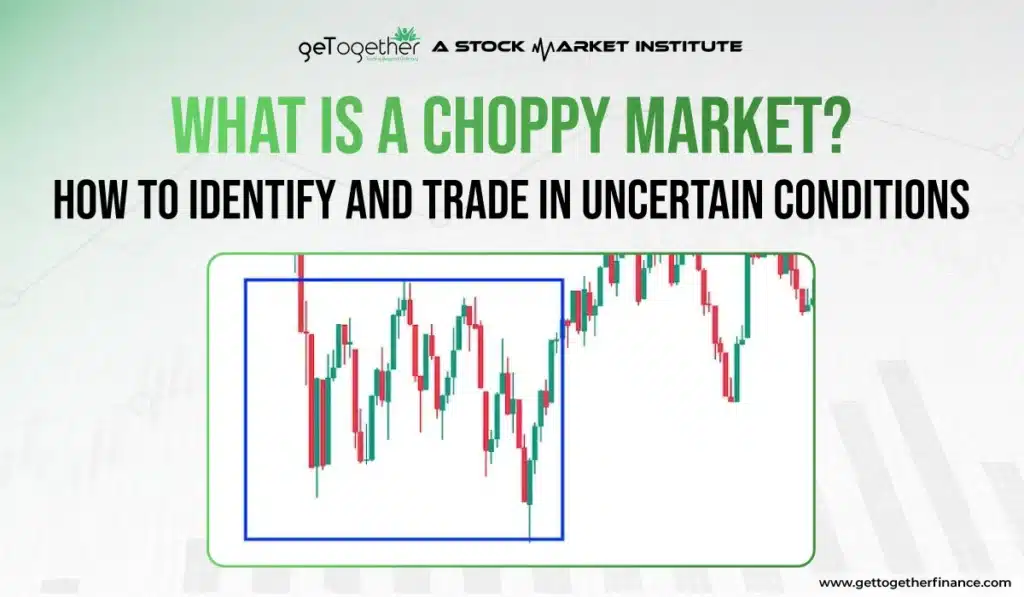
In the face of rapid market changes, technical analysis remains a vital tool for traders. By studying chart patterns and employing various indicators, traders can better identify potential entry and exit points. This becomes especially important during periods of high volatility.
For instance, moving averages, Fibonacci retracement levels, and momentum indicators can provide insights into short-term price movements influenced by geopolitical events. Traders who adeptly use these tools can position themselves advantageously amidst market fluctuations.

Diversifying Currency Pairs
Increasing diversification across currency pairs can help mitigate risks associated with geopolitical tensions. While major currency pairs like EUR/USD and USD/JPY are pivotal, exploring emerging market currencies can also yield opportunities.
Traders should consider factors such as local economic conditions, political stability, and central bank policies when diversifying their portfolios. For example, currencies like the Mexican Peso (MXN) or the South African Rand (ZAR) may offer favorable trading opportunities as they respond differently to global events.
Conclusion
Adapting to geopolitical tensions is essential for forex traders in 2026. By understanding market dynamics and employing strategic adjustments—such as focusing on safe-haven currencies, utilizing technical analysis, and diversifying currency pairs—traders can navigate the complexities of the forex landscape effectively. As geopolitics continue to shape market behavior, staying informed and flexible will be crucial for success in this ever-evolving arena.
For further insights into the forex market, visit FXStreet.
