
Navigating the Impact of a Weaker US Dollar on Commodity Prices
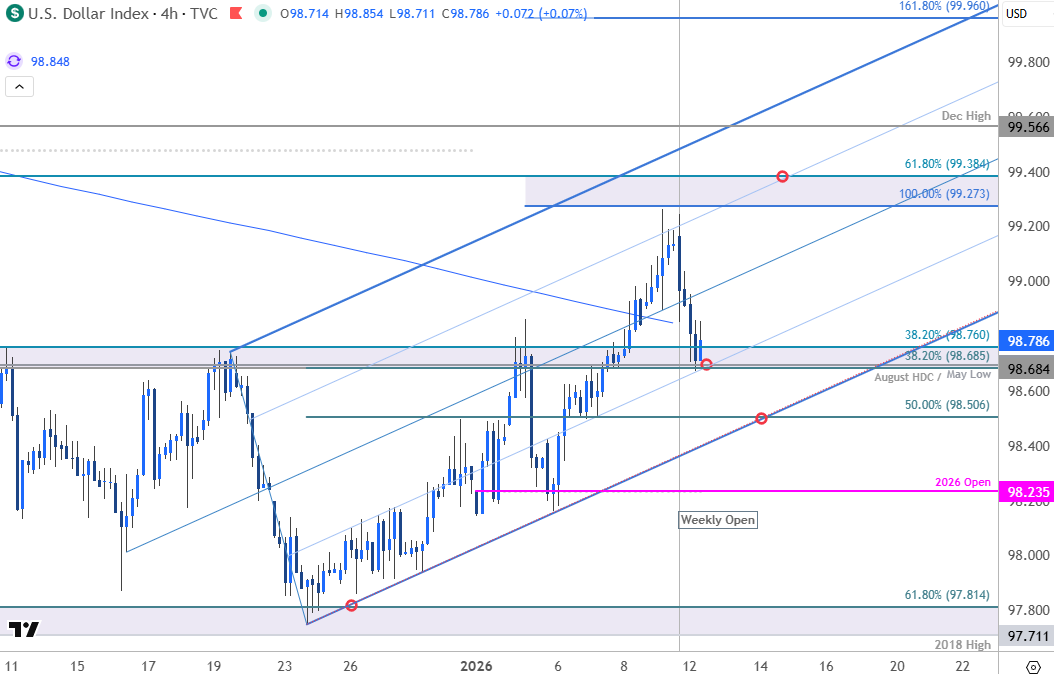
As the US dollar continues to weaken, its repercussions are being felt across global commodity markets, creating notable shifts in pricing and investment strategies. As of January 2026, commodities like crude oil and gold have shown remarkable resilience amid ongoing geopolitical uncertainties, largely fueled by the depreciation of the dollar.

Key Insights
-
Crude Oil: The price of WTI crude oil futures has recently stabilized around $59.82, with a daily trading range between $58.73 and $59.98. This stability can be attributed to the dollar's weakness, which makes oil cheaper for foreign buyers. According to Investing.com, the dynamics of oil pricing are closely linked to the dollar's performance, and the current environment offers a favorable outlook for oil producers as international demand rises.
-
Gold Prices: Gold has maintained its status as a safe-haven asset, trading near record highs, with prices surpassing $4,600 per ounce. The metal's appeal is further enhanced by inflationary fears, compounded by the dollar's drop. Analysts suggest that as investors seek stability, gold's intrinsic value as a hedge against economic uncertainty becomes more pronounced.
-
Agricultural Commodities: The recent lifting of tariffs on fertilizers in the US is expected to bolster crop production significantly. This policy shift could lead to increased availability of grains and other agricultural products, potentially stabilizing prices in the agricultural sector. The impact of these changes will be closely monitored as they unfold.
Why It Matters
Understanding the interplay between currency values and commodity prices is crucial for investors. A weaker dollar not only enhances the purchasing power of foreign buyers but also has implications for inflationary pressures domestically. Since most commodities are priced in dollars, fluctuations in currency value can lead to significant shifts in market dynamics.
For example, a depreciated dollar allows international buyers to purchase commodities at lower effective costs, hence driving up demand. This relationship is particularly evident in the energy sector, where the correlation between the dollar and crude oil prices remains strong.

Market Outlook
As we advance into 2026, the relationship between the US dollar and commodity prices is expected to remain fluid. For investors, adapting strategies to leverage the opportunities arising from currency fluctuations will be essential. Analysts recommend focusing on commodities that traditionally perform well during periods of dollar weakness, such as precious metals and energy resources.
Furthermore, the ongoing geopolitical tensions, particularly in regions that are significant suppliers of oil and agricultural commodities, will add an additional layer of complexity. Traders should remain vigilant, employing risk management strategies to navigate these uncertainties.
Conclusion
The current trajectory of the US dollar will continue to shape the landscape for commodity prices throughout 2026. By staying informed about the interactions between currency movements and commodity markets, investors can better position themselves to capitalize on emerging opportunities. For ongoing updates and market insights, resources like Investing.com and Trading Economics will prove invaluable.
Investors are encouraged to keep a close eye on the market and adjust their portfolios accordingly, ensuring they remain agile in the face of these evolving economic conditions.